
A human science record
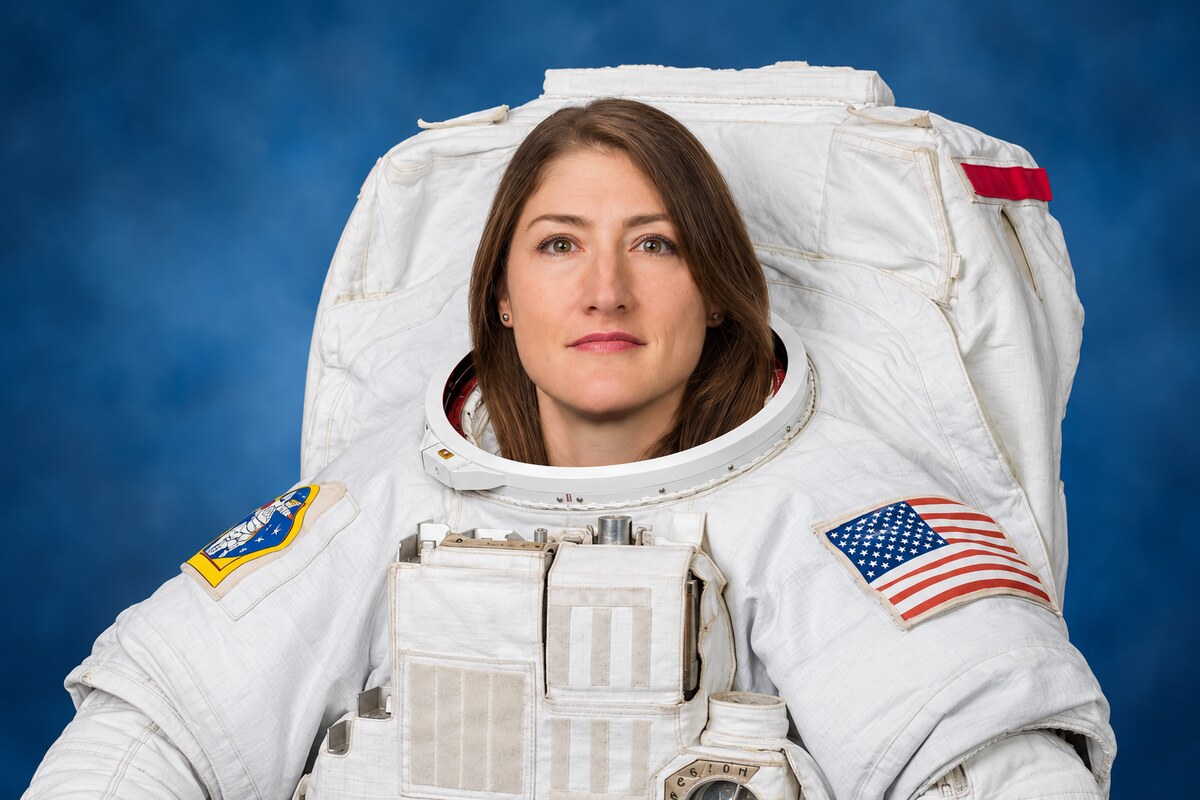
Artemis II carried Reid Wiseman, Victor Glover, Christina Koch and Jeremy Hansen around the Moon on a ten-day journey in April 2026. The astronauts spent nearly seven hours making close-range observations. Their October science results included five faint impact flashes seen during a fifty-four-minute solar eclipse. Lunar colors also supplied geological clues: blues were associated with titanium-rich volcanic rocks, browns with variations in iron, and greens with glass formed by eruptions or impacts. The crew combined photography with descriptions, sketches and tablet annotations. Models suggested impactors around 8.5 grams and just over 4.5 centimetres wide, with craters probably less than a metre across.
Scientists released three reports and a data archive on October 7. Paired observing and communications roles helped the crew discuss what they saw while preserving detailed records. Camera calibration remained a limitation: the cameras had not been calibrated before flight, and charred spacecraft windows complicated reproducing their effects afterward. The lunar observations combined camera records and descriptions for further analysis on Earth.
Training on volcanic terrain
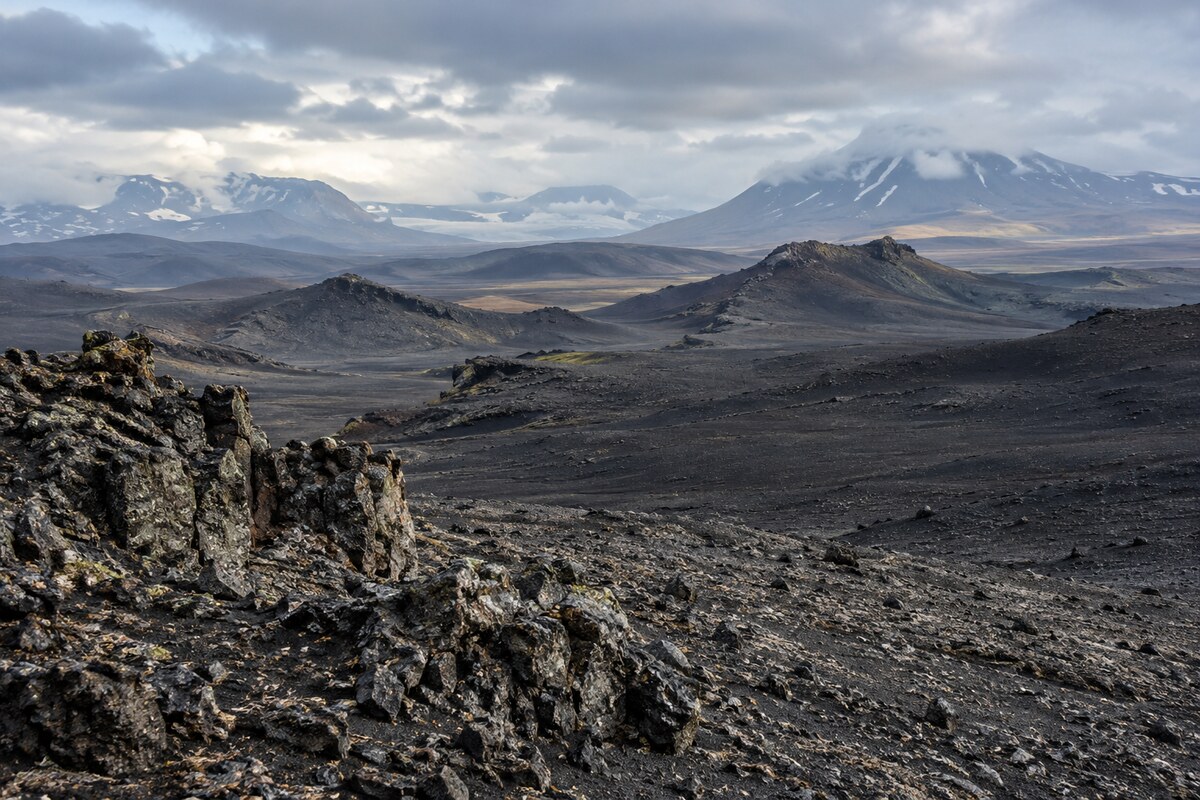
The crew’s field preparation included geology training in Iceland in 2024. Wiseman, Glover, Koch and Hansen worked with their backups, Andre Douglas and Jenni Gibbons, alongside geology instructors. Cindy Evans, NASA’s Artemis geology training lead, emphasized the volcanic processes, landscape and scale of features available there. The astronauts practiced describing rocks and landforms while navigating and working together. They also tested hammers, scoops and chisels for collecting terrestrial samples. Their feedback helped instructors refine training and identify locations suitable for later crews preparing for lunar exploration.
Basalts and breccias provided contrasting materials for study. Basalts are dark, fine-grained rocks formed as magma cools; breccias combine angular rock fragments. Volcanic processes produce examples in Iceland, while impacts also produce lunar breccias. Exploration geologist Trevor Graff highlighted practical constraints on future sampling tools, including launch mass, operation with pressurized gloves and sample preservation. Kelsey Young, Artemis II’s lunar science lead, focused on astronauts using geological language to describe their views. Artemis II itself was a flyby: the field exercises did not involve collecting actual lunar rocks.
Turning observations into questions
Before the flight, the lunar science team mapped possible observations to broader research questions. A July 2025 training presentation by Marie Henderson, Kelsey Young, Ariel Deutsch, Cindy Evans and Noah Petro connected color and brightness with composition, and changing illumination with the physical properties of regolith. Impact flashes could constrain meteoroid activity. Observations near lunar sunrise, sunset, the limb and the terminator could address dust and surface shape. These were planned investigations, with questions to test rather than outcomes already established by the crew’s future observations.
Orientale basin was one example of a target with unresolved geological questions. Its dark ring might reflect different volcanic or later surface processes; the team outlined competing explanations rather than selecting one as proven. Photometric observations from different points along the flyby could add information about the basin’s topography. The presentation also linked Earth observations with interpreting subtle lunar colors. Features such as polar ice could supply a visual reference, while a distant view of weather systems and surface patterns would provide another observing task. The crew’s viewing geometry and changing light were part of the scientific plan.
What camera tests establish
Camera testing had a separate engineering history. In a 2022 NASA Marshall presentation, Jonathan Pryor described thermal-vacuum trials of the Canon R5 and Nikon D6. Both operated across test temperatures from minus thirty to plus forty degrees Celsius, with thermal conditions limiting continuous recording. Equipment underwent a fifty-degree bakeout for seventy-two hours before chamber testing. The procedure used one-hour temperature soaks; it did not establish the duration needed for a complete overnight cold soak. A Nikon Z7II developed connection problems that prevented equivalent testing across the full temperature range.
The trials also exposed limits in comparing configurations. The D6 recorded RAW and JPEG stills, while an overlooked setting left the R5 recording JPEG alone. Separate proton-exposure tests examined reading from four brands of CFexpress memory cards; they did not test writing. Power cycling cleared the observed single-event upsets. The presentation explicitly warned against using those results to select products without independent testing for the intended environment. A Nikon Z9 was unavailable during the vacuum trials. These experiments therefore did not certify every later flight camera or commercial memory card for deep-space use.

The handheld camera archive
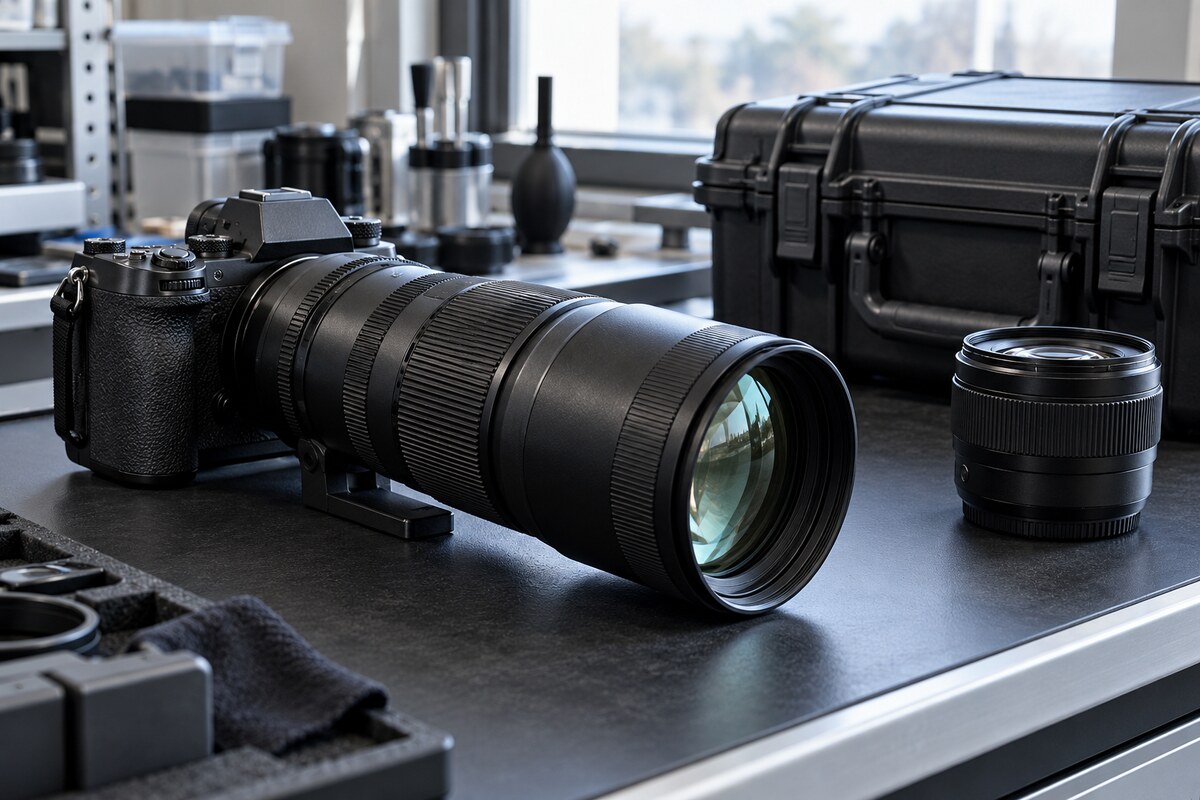
The Artemis II crew-camera product bundle identifies the Nikon D5 and Nikon Z9 as its handheld observing instruments. Its targets include Earth and the Moon, with visible-light imaging as the scientific discipline. Version 1.0 has a persistent identifier and DOI, allowing users to cite the same archive product. The record’s time coverage begins on April 2, 2026, and ends on April 9. Those limits describe the camera bundle’s observations, rather than the spacecraft’s launch and splashdown dates.
Four collections distinguish native source files, raw products, Nikon-processed products and browse images. The citation credits the astronauts and the wider lunar science team, including people responsible for preparing and organizing the observations. This structure separates the camera record from other mission products. A researcher can identify the instrument, target and collection type before choosing files for further work, while the versioned bundle and DOI preserve a common reference for subsequent studies using the archived imagery.
Working inside Orion
Orion’s cabin combined spacecraft control with space for daily work. Three display units and seven switch panels formed the main interface, supported by rotational and translational hand controllers and cursor devices. Electronic procedures could highlight telemetry, queue commands and connect the crew with caution and warning responses. The commander and pilot had individual displays with a shared central unit. Controls and procedures had to support normal operations as well as faults. The underlying cabin structure also carried seats and lockers, concentrating the spacecraft’s working and storage arrangements in a limited volume.

Environmental systems removed carbon dioxide and humidity using equipment that regenerated when exposed to space vacuum. Oxygen and nitrogen tanks supported pressure control, while water distribution served drinking, food preparation and hygiene. The mission schedule included eight hours for sleep and approximately thirty minutes of daily exercise for each astronaut. Orion’s flywheel provided resistance and aerobic exercise through a compact cable-based device. Accelerometers on the device and its mounting recorded forces transmitted into the spacecraft. Exercise sessions therefore also supplied engineering information for developing the equipment used aboard later missions.
A proposed optical data link
Communications researchers prepared another experiment alongside the mission’s science work. NASA Glenn’s Real Time Optical Receiver project developed a transceiver using commercial components and tested a replica in Cleveland. A June 2025 collaboration with the Australian National University aimed to reproduce that hardware for a test at Mount Stromlo Observatory in Canberra, Australia. The ground station was an experimental receiving location, rather than one of Artemis II’s primary communications stations. Its purpose included examining whether commercially available parts could support a reproducible optical receiver design.
The Orion Artemis II Optical Communications system was intended to demonstrate infrared transmission of recorded 4K ultra-high-definition video, images, voice, flight procedures and science data. NASA described optical links as capable of carrying ten to one hundred times more data than conventional radio approaches, but that general potential was not a measured result from this proposed test. Jennifer Downey, a RealTOR co-investigator, described the planned demonstration as a check on capability and reproducibility. Glenn engineers were preparing the receiver experiment with ANU while the station’s lunar demonstration remained a future test.

The crew as research participants
Artemis II also carried research on living and working beyond low Earth orbit. Participation in the human studies was voluntary. ARCHeR, the Artemis Research for Crew Health and Readiness study, combined wrist-worn measurements of movement and sleep with evaluations before and after flight. Its questions included cognition, stress, behavior and teamwork inside Orion. These measurements were intended to support future crew operations. They were not a demonstration that the brief test flight could establish every consequence of longer journeys through deep space.
NASA planned to make research information available through its Life Sciences Data Archive. The different protocols addressed related questions using distinct measurements, rather than treating one sensor or sample as a complete measure of astronaut health. Other protocols gathered biological samples and functional measurements:
- Immune Biomarkers used dried saliva collected on paper during flight, alongside liquid saliva and blood collected on Earth.
- Dry sampling reduced dependence on refrigeration and storage equipment unavailable within the cabin’s volume constraints.
- Spaceflight Standard Measures combined physiological samples with tests of balance, movement, vision and other functions.
- Radiation instruments provided environmental context for interpreting the participating crew’s measurements.
Cells in a controlled experiment
AVATAR, A Virtual Astronaut Tissue Analog Response, added an experiment using cells derived from the astronauts. Its organ chips carried bone-marrow tissue, which produces red blood cells, white blood cells and platelets. The chips are small devices designed to model selected tissue functions. They accompanied the crew in powered equipment that maintained the experiment’s environment. A simultaneous ground-control study supplied samples for comparison after return. The investigation was intended to examine responses to deep-space conditions and assess how well organ chips could model an individual’s biological response.

NASA worked with the Biomedical Advanced Research and Development Authority and the National Center for Advancing Translational Sciences, part of the National Institutes of Health. Space Tango developed the automated flight hardware, while Emulate supplied organ-chip technology; researchers at Emulate and the Wyss Institute led the scientific work. The programme included possible applications to future health-risk research and personalized mission support. These were research objectives and potential uses. Flying a tissue model did not itself establish a validated prediction for every astronaut or demonstrate an effective medical treatment on Earth.
Material testing before the mission
Returning the crew and their records required an earlier programme of spacecraft testing. In December 2024, NASA announced findings on unexpected loss of charred heat-shield material during the uncrewed Artemis I flight. More than one hundred tests contributed to the assessment. Engineers identified restricted escape of gases inside Avcoat as the cause of cracking and pieces breaking away. Avcoat is an ablative thermal-protection material, designed to wear away while absorbing reentry heating. The investigation distinguished that intended behaviour from the unexpected material loss observed on the earlier spacecraft.
NASA decided to retain the heat shield already fitted to the Artemis II capsule and alter the planned atmospheric-entry trajectory. Catherine Koerner, then leading the Exploration Systems Development Mission Directorate, described the decision as part of the agency’s safety and engineering review. Separate changes to later heat-shield manufacturing targeted consistent material permeability. These were preflight decisions recorded in 2024, alongside continued work on cabin life support and crew interaction with Orion. They provide the engineering background to the crewed test flight, without substituting for a later postflight assessment of its thermal protection.

Collecting the postflight measurements
After splashdown, participating astronauts continued supplying research measurements. Within a day, Standard Measures evaluations included blood pressure, heart rate, eye health and motor control. An obstacle course tested activities such as rising, handling a rope ladder and climbing. Further sessions at Johnson Space Center used suits supported to simulate lunar gravity, roughly one-sixth of Earth’s. Researchers wanted to understand how crews might perform essential tasks after arriving at a planetary surface, where a recovery team would not be waiting to assist them. These evaluations measured adaptation after the flight.
Initial data collections concluded forty-five days after splashdown. Some astronauts completed cognition tests and a simulated manual-docking task for ARCHeR. Researchers also compared blood and saliva samples and analyzed the returned AVATAR chips at Emulate’s laboratory in Boston. Comparisons involved ground controls, crew samples and methods including single-cell RNA sequencing. By June 2026, those analyses were continuing. Processed, anonymized health information would be available to researchers by request through NASA’s Life Sciences Data Archive. That access route differs from the openly downloadable lunar imagery and does not expose identified personal medical records.

Preserving context with the data
The Artemis II Mission Bundle, released through the Planetary Data System in October 2026, links mission documentation with measurements of Orion’s storage environment. Two Onset HOBO MX1101 loggers recorded temperature, relative humidity and dew point every sixty seconds from March 26 to April 21, 2026. The measurements characterized lockers intended to hold samples on future missions; they were not lunar surface weather observations. Each logger record is a comma-separated table accompanied by an XML label. The package’s readme identifies the document and environment-data collections and explains the associated file types.
Other indexed products preserve parts of the observation workflow. A static Lunar Targeting Package captures the interactive material used to guide observations, while an Outgoing Target Request file stores target requests in JSON. The archive also identifies label definitions and a data user guide describing formats and processing. Individual documents and collections have persistent identifiers for citation. The mission archive keeps these products distinct, allowing the crew’s images, recorded observations and supporting information to remain identifiable for later research.
















Leave a comment