
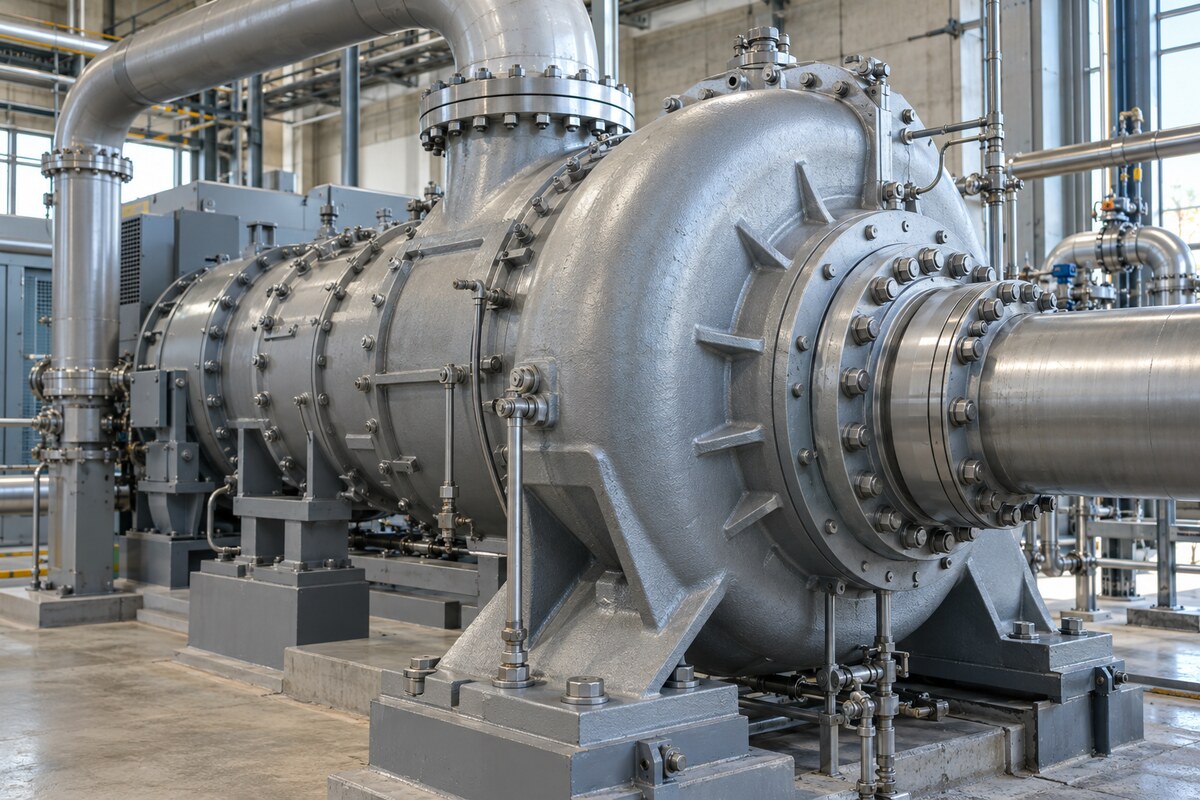
A compressor above 100 MW
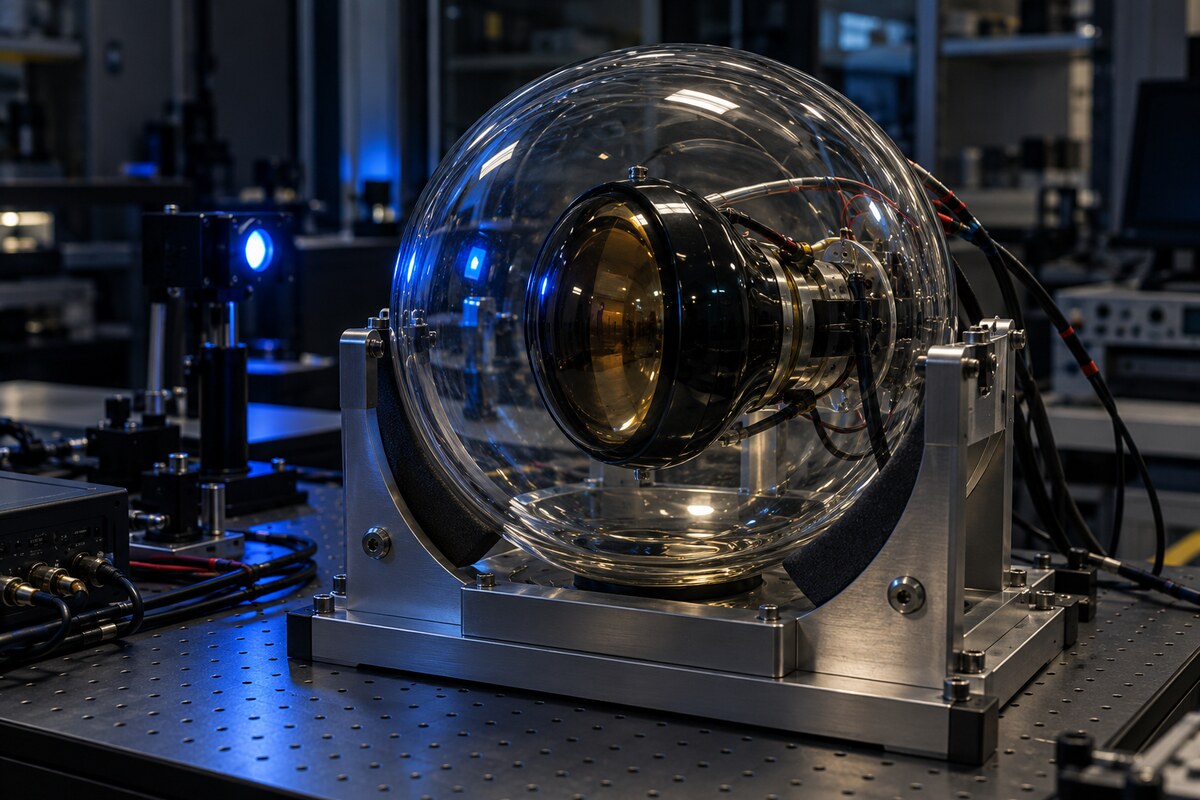
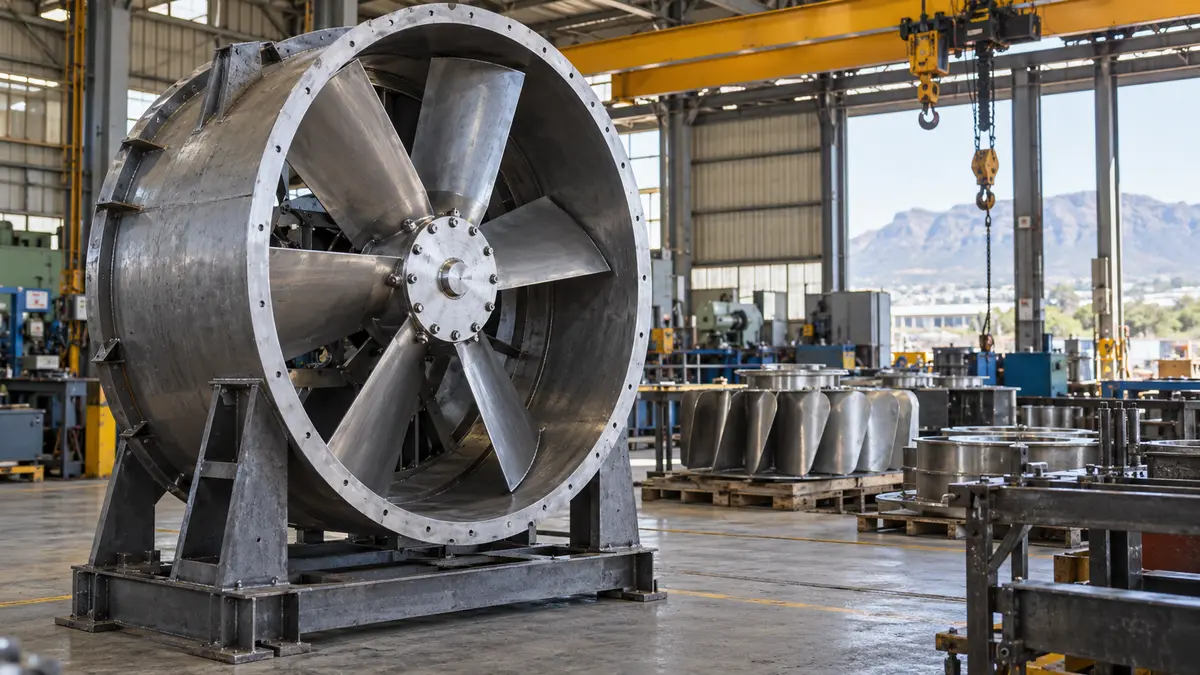
A new compressed-air energy storage compressor developed in China has reached a reported peak power of 101 MW. The Institute of Engineering Thermophysics, part of the Chinese Academy of Sciences, developed the machine with Zhong Chu Guo Neng (Beijing) Technology Co., Ltd. CAS described it as the first CAES compressor with single-unit power exceeding 100 MW.
The test results include maximum discharge pressure of 10.1 MPa, a load range of 38.7–118.4% and compressor efficiency of 88.1% at maximum discharge pressure. These are component figures. CAS also claimed more than double the power of existing CAES compressors and lower unit costs, without supplying a monetary comparison.
Expansion machinery developed alongside compression
The expander occupies the electricity-generating side of a compressed-air storage system. IET completed an integration test of a 100 MW advanced CAES expander in 2020, following development work that began in 2017. Its multistage, high-load design formed a core component of the storage equipment. The institute said the machine passed all test requirements, describing the result as an advance in its compressed-air technology programme.

Earlier IET systems had capacities of 1.5 MW in 2013 and 10 MW in 2016. The research programme also covered multistage compressors, high-load expanders, supercritical heat storage and heat exchange. IET identified large storage capacity, low cost, efficiency and environmental performance as advantages motivating development of the technology. The 2020 milestone concerned an integrated expander test; the earlier dates referred to smaller advanced storage systems. Compression, expansion and heat handling therefore appear as separate areas of equipment development in the programme’s chronology, each with its own test or system milestone.
Matching processes and equipment
The CAS technical achievement recognised in its 2025 annual-prize coverage combined several parts of advanced CAES. The system used no fossil fuel and reduced dependence on geographical conditions, according to the academy’s technical entry. Its design approach matched processes with their operating parameters and addressed equipment design and regulation across operating conditions. Wide-range compressors and high-load expanders were among the resulting machine families, alongside dedicated thermal equipment.
Heat and cold storage and exchange involved supercritical technologies. The team developed devices using internal insulation with external pressure-bearing structures, as well as compact arrangements combining multiple processes. The award entry credited the programme with 10 MW, 100 MW and 300 MW demonstration systems and a portfolio of patents. These achievements covered both machinery and system integration. The recognition concerned an established research programme, rather than a separate measurement of the February 2026 compressor’s performance or a new commercial commissioning announcement.

Keeping compression heat in the cycle
At Changzhou, a compressed-air storage installation used salt caverns approximately 1,000 metres underground and air pressures exceeding 120 atmospheres. Heat generated during compression passed into thermal oil, while the stored energy could later be used for electricity generation on demand. The installation began operating in May 2022. Its thermal-oil circuit and underground air storage handled different parts of the storage process, linking heat management with the compressed-air reservoir.
Electricity storage in this arrangement involved more than retaining pressurised air. Compression produced heat that was transferred into another medium, with regeneration taking place when electricity was required. The Changzhou installation appeared among several operating storage technologies in Xinhua’s January 2025 industry survey. Its underground depth, pressure and thermal medium describe that particular installation; they are separate from the discharge-pressure and efficiency figures measured for the new compressor.
Steel under repeated charging loads
A steel plate developed by Shougang Group was used at the 300 MW CAES station in Feicheng, Shandong. The material had to tolerate alternating loads during repeated charging and discharging. Operating requirements included pressures above 10 megapascals and temperatures as low as minus 50 degrees Celsius. The plate’s application therefore combined resistance to low temperatures with durability under recurring loads, rather than a single static loading condition.

Shougang described its plate as capable of withstanding impact at minus 50 degrees Celsius and 30% more durable than conventional high-strength steel plate. Those are manufacturer comparisons, with no detailed test standard supplied in the public announcement. The Feicheng installation underwent practical application tests addressing efficiency, safety and material-life requirements. The reported durability advantage does not specify an additional number of operating years or charging cycles. The application concerns material support for a storage plant, distinct from the aerodynamic efficiency of an individual compressor.
Zhangbei’s containers and commissioning work
In Zhangbei county, within Zhangjiakou in Hebei, a 100 MW advanced compressed-air storage project entered equipment debugging in April 2022. Zhangbei Giant Energy Co. invested 840 million yuan. Construction had finished at the end of 2021, and an electrical-grid connection had followed before the debugging announcement. The expected operational start was June 2022. That timetable was a forward-looking commissioning expectation at the time of the announcement.
The installation used surplus grid electricity during low demand to compress air into high-pressure sealed containers. Releasing the air drove generators during peak consumption. IET, which provided technical support, described the area’s wind and solar resources as a basis for the project. An institute representative put efficiency as high as 70% and electricity delivery at the equivalent of 400,000 kWh over four to six hours. The representative compared that delivery with the needs of between 20,000 and 40,000 households during the stated period. Those were attributed project capabilities during preparation for operation, separate from a subsequently verified start date.
Jintan’s first commercial-scale stage
Jintan’s salt-cavern project in Changzhou followed another development route, involving China National Salt Industry Group, China Huaneng Group and Tsinghua University. Its first unit entered operation on May 26, 2022, after trial generation and continuous full-load energy storage. Phase one had both charging power and installed generating capacity of 60 MW, together with storage capacity of 300 MWh. The project had received approval in 2017, and construction began in 2020. The university also identified a long-term construction scale of 1,000 MW, a development objective beyond the initial station’s installed capacity.
Equipment research and integration covered a high-load centrifugal compressor, a high-parameter heat exchanger and a large air turbine. Tsinghua’s engineering team also worked on commissioning practice, coding and grid-connection standards, and operator qualifications. Salt mining had provided the cavity used for storage, with air compressed during low-demand periods and released for peak generation. The university described the non-supplementary-fired project as a first commercial application of its kind. Its engineering programme extended from individual equipment development to the arrangements needed to construct and operate a power station.
Operation, control and standards
By September 2023, the Jintan station had participated in Jiangsu’s summer peak shaving for two consecutive years. Tsinghua put the cumulative contribution at 120 million kWh and quoted electric-to-electric efficiency of 61.22%. The university’s technical team had developed operating and control methods for storage-grid integration, alongside work on non-steady-state centrifugal compression, heat storage and exchange, stable large-capacity gas storage and turbo-expansion generation. The operational figures and equipment programme accompanied recognition of the team’s work.

The team had secured 102 invention patents, including one in the United States. It had published an industry standard, submitted a national standard and prepared 18 standards, according to the university. These were different stages of standards work: preparation or submission did not mean that every document had already become an adopted standard. The 61.22% figure concerned electricity-to-electricity conversion at a station. It measured a different scope from the 88.1% compressor efficiency announced in February 2026, so the two percentages do not describe interchangeable performance measures.
Feicheng’s power and energy ratings
Feicheng’s advanced CAES demonstration station achieved its first grid connection and generation in 2024. The plant had a 300 MW system rating and 1,800 MWh storage capacity. Its rated design efficiency was 72.1%, and its specified continuous discharge duration was six hours. Total investment was 1.496 billion yuan. IET and Zhongchu Guoneng developed the station, whose scale was greater than their earlier 100 MW system.
The developers claimed a reduction in unit cost exceeding 30% compared with the 100 MW system. Annual generation of approximately 600 million kWh, coal savings of about 189,000 tonnes and carbon-dioxide reductions of about 490,000 tonnes were expected project benefits. These annual figures were not an operating-year audit in the initial grid-connection announcement. Similarly, the station’s rated design efficiency was a design specification. Its 300 MW power rating, 1,800 MWh capacity and six-hour duration describe separate, related aspects of electricity delivery, rather than a single measure of the compressor or the underground reservoir.
Yingcheng’s underground engineering
Yingcheng’s CAES station in Hubei began commercial operations following full-capacity grid connection on January 9, 2025. Two caverns in an abandoned salt mine, approximately 500 metres underground, formed its air storage facility. The station had a single-unit power rating of 300 MW and storage capacity of 1,500 MWh. China Energy Digital Technology Group, a major investor, put system conversion efficiency at about 70%, with an eight-hour charging period and five-hour release period. The company also put average annual generation at approximately 500 million kWh, presenting the station’s expected electricity contribution over a year.
The CAS Institute of Rock and Soil Mechanics supported the underground storage engineering. Impurities and sediment complicated the cavern conditions, with sediment occupying space inside the mined cavities. The research team worked with other organisations on cavern utilisation and drilling, including use of voids within the sediment for gas storage. The institute said this increased usable space and reduced costs and construction time. These geological measures concerned the reservoir itself. They formed a different engineering task from compression machinery, even though both reservoir and machinery belonged to the same electricity-storage installation.
Expansion capacity remains a project stage
The Jintan facility began an expansion on December 18, 2024. The second phase aimed to add two 350 MW non-combustion compressed-air storage units and a total storage volume of 1.2 million cubic metres. The planned installation was expected to store 2.8 million kWh on a single charge after completion. Those figures belonged to an expansion under development, rather than a statement that the added units were already producing electricity.

China Huaneng Group also projected annual savings of 270,000 tonnes of standard coal and carbon-dioxide reductions of 520,000 tonnes for the expanded facility. Its storage used caverns formed by exploitation of underground salt layers, approximately 1,000 metres below ground. China National Salt Industry Group, Huaneng and Tsinghua University were the joint developers. The expansion announcement connected larger generating units with additional cavern volume. It supplied both electricity-storage and physical-volume figures, which retain their separate units and describe different parts of the planned station.
Research on flexible storage arrangements
Tsinghua’s electrical engineering department and Anhui USEM Technology inaugurated a joint research centre on September 11, 2024. The centre’s first phase was scheduled for five years, with total funding of 50 million yuan. Its research combined university engineering work with the company’s experience in market development and CAES system integration. The inaugural management committee considered the centre’s constitution, organisation and research planning, alongside arrangements for collaboration and allocation of resources.
The centre’s technical directions included flexible compressed-air storage, pumped storage coupled with CAES, and thermal-power generation coupled with CAES. Engineering demonstration and validation were part of the planned work. These were research directions, rather than announcements that every proposed combination had reached commercial operation. The collaboration provided a defined research organisation and funding period for further development. It joined equipment and process research with the task of applying storage technology in additional settings, while retaining a separate role for engineering demonstrations before broader application.

Coordinating temperature, pressure and flow
Tsinghua’s non-combustion CAES programme traces its compressed-heat-feedback route to 2011 and an industrial-scale installation in Wuhu, Anhui, to 2014. Its engineering work brought together electrical, thermal, mechanical and geological disciplines. Air compression, heat exchange, thermal storage, high-pressure gas storage and turbine generation required coordinated control of temperature, pressure and flow. The team developed compressors for changing conditions, heat exchangers with reduced losses, gas-storage facilities and air turbines across a range of operating conditions.
By August 2025, further research covered flexible storage arrangements in mines and underwater locations. Six CAES projects with a combined capacity of 3 million kW had received approvals across five provinces and regions. The programme’s stated directions included:
- Coupling compressed-air storage with pumped storage.
- Combining CAES with coal-fired power generation.
- Developing underwater flexible gas-storage arrangements.
- Coordinating storage operation with the electricity network.
USEM Technology’s approved 2025 projects were located in Inner Mongolia, Xinjiang, Sichuan, Qinghai and Henan. Its 2024 construction quotas included the Zhuozi and Xiwu projects in Inner Mongolia, totalling 2.1 million kW and 10.5 million kWh. These were construction allocations, rather than operating capacity.


Leave a comment